
Buy Potassium carbonate (potash pearl ash) Cas 584‑08‑7
Buy Potassium carbonate (potash pearl ash) Cas 584‑08‑7
Buy Potassium carbonate (potash pearl ash) Cas 584‑08‑7
Potassium carbonate (K₂CO₃) is a highly versatile potassium-based chemical widely used in agriculture, construction, glass manufacturing, and chemical processing. Known for its alkalinity, solubility, and buffering properties, potassium carbonate serves as an essential raw material and additive in a variety of industrial and specialty formulations. Its ability to regulate pH, stabilize reactions, and enhance processing efficiency makes it indispensable across multiple markets.
In industrial applications, potassium carbonate is a key ingredient in the production of glass, ceramics, fertilizers, detergents, and specialty chemicals. It is also used in food and beverage processing (E501) as a leavening agent, acidity regulator, and stabilizer. In agriculture, potassium carbonate provides a valuable source of potassium for fertilizers, improving soil balance and crop performance. Additionally, it is applied in textile treatments, water softening, and pharmaceutical formulations, where its stability and effectiveness enhance product quality. With its broad functionality, cost-effectiveness, and proven reliability, potassium carbonate remains a critical chemical for industries including automotive, agriculture, food processing, construction, and specialty chemical manufacturing.
Synonyms: Potash, pearl ash, carbonate of potash
Characteristics:
IUPAC Name: Dipotassium carbonate
CAS Number: 584-08-7
UN Number: Varies
Recommended Use / Industries:
- Glass manufacturing
- Food processing (alkalizing agent)
- Detergents and cleaners
- Fertilizers and agrochemicals
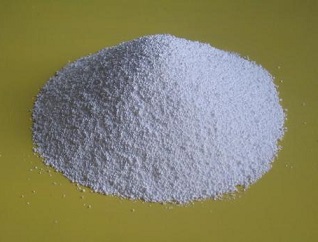
Potassium Carbonate (K₂CO₃) is a versatile compound used in food, pharmaceutical, and industrial applications. Known for its strong alkaline properties, this white, crystalline powder has applications as a pH regulator, buffering agent, and raw material in various manufacturing processes.
Kraft Chemical supplies FDA-approved, high-purity potassium carbonate in bulk quantities to meet the needs of specialty industries worldwide.
What is Potassium Carbonate?
Potassium carbonate is an inorganic salt. Often referred to as “potash” or “pearl ash,” it is highly soluble in water and forms a strong alkaline solution. Its ability to absorb moisture makes it hygroscopic, so it must be stored in tightly sealed containers.
Potassium Carbonate Uses & Applications
Generally regarded as safe (GRAS) by the FDA, potassium carbonate plays a critical role in multiple industries:
- Glass & Ceramics – Acts as a fluxing agent, reducing melting temperatures and improving glass strength and durability.
- Detergents & Soaps – Functions as a water softener and alkaline builder, improving cleaning efficiency.
- Food Processing – Food-grade potassium carbonate is commonly used as a pH regulator, stabilizer, and leavening agent in baked goods. Explore more food-grade ingredients from Kraft Chemical.
- Fertilizers & Agriculture – Provides a readily available potassium source to promote healthy, robust crop growth.
- Pharmaceuticals – Used as an excipient and buffering agent in formulations, ensuring pH stability.
- Chemical Manufacturing – Serves as a raw material for producing potassium salts, inks, and specialty chemicals.
Properties
| Property | Details |
| Appearance | White crystalline powder or granules |
| Density | 2.43 g/cm³ |
| Molar Mass | 138.205 g/mol |
| Melting Point | ~891 °C |
| Solubility | Highly soluble in water; insoluble in alcohol/acetone |
| pH | Strongly alkaline in aqueous solution |
| Storage | Hygroscopic; store in airtight, dry containers |
Buy Potassium carbonate (potash pearl ash) Cas 584‑08‑7
Buy Potassium carbonate (potash pearl ash) Cas 584‑08‑7
Buy Potassium carbonate (potash pearl ash) Cas 584‑08‑7
Buy Potassium carbonate (potash pearl ash) Cas 584‑08‑7
Buy Potassium carbonate (potash pearl ash) Cas 584‑08‑7
Buy Potassium carbonate (potash pearl ash) Cas 584‑08‑7
Buy Potassium carbonate (potash pearl ash) Cas 584‑08‑7
Buy Potassium carbonate (potash pearl ash) Cas 584‑08‑7
Buy Potassium carbonate (potash pearl ash) Cas 584‑08‑7
Buy Potassium carbonate (potash pearl ash) Cas 584‑08‑7
Buy Potassium carbonate (potash pearl ash) Cas 584‑08‑7
Buy Potassium carbonate (potash pearl ash) Cas 584‑08‑7
Buy Potassium carbonate (potash pearl ash) Cas 584‑08‑7
Buy Potassium carbonate (potash pearl ash) Cas 584‑08‑7
Buy Potassium carbonate (potash pearl ash) Cas 584‑08‑7
Buy Potassium carbonate (potash pearl ash) Cas 584‑08‑7
Buy Potassium carbonate (potash pearl ash) Cas 584‑08‑7
Buy Potassium carbonate (potash pearl ash) Cas 584‑08‑7
Buy Potassium carbonate (potash pearl ash) Cas 584‑08‑7
Buy Potassium carbonate (potash pearl ash) Cas 584‑08‑7
Buy Potassium carbonate (potash pearl ash) Cas 584‑08‑7
Buy Potassium carbonate (potash pearl ash) Cas 584‑08‑7
Buy Potassium carbonate (potash pearl ash) Cas 584‑08‑7
Buy Potassium carbonate (potash pearl ash) Cas 584‑08‑7
Buy Potassium carbonate (potash pearl ash) Cas 584‑08‑7
Buy Potassium carbonate (potash pearl ash) Cas 584‑08‑7
Buy Potassium carbonate (potash pearl ash) Cas 584‑08‑7
Buy Potassium carbonate (potash pearl ash) Cas 584‑08‑7
Buy Potassium carbonate (potash pearl ash) Cas 584‑08‑7
Buy Potassium carbonate (potash pearl ash) Cas 584‑08‑7
Buy Potassium carbonate (potash pearl ash) Cas 584‑08‑7
Buy Potassium carbonate (potash pearl ash) Cas 584‑08‑7
Buy Potassium carbonate (potash pearl ash) Cas 584‑08‑7
Buy Potassium carbonate (potash pearl ash) Cas 584‑08‑7
Buy Potassium carbonate (potash pearl ash) Cas 584‑08‑7
Buy Potassium carbonate (potash pearl ash) Cas 584‑08‑7
Buy Potassium carbonate (potash pearl ash) Cas 584‑08‑7
Buy Potassium carbonate (potash pearl ash) Cas 584‑08‑7
Buy Potassium carbonate (potash pearl ash) Cas 584‑08‑7
Buy Potassium carbonate (potash pearl ash) Cas 584‑08‑7
Buy Potassium carbonate (potash pearl ash) Cas 584‑08‑7
FAQs
Is potassium carbonate soluble?
Yes. Potassium carbonate is highly soluble in water but insoluble in ethanol. In solution, it forms a strongly alkaline mixture, making it useful as both a pH regulator and a chemical buffer.
Is potassium carbonate dangerous?
While widely used, potassium carbonate is a caustic chemical that requires safe handling. Direct contact with skin or tissues can cause burns or irritation. Always use protective equipment and follow proper storage practices.
Where to buy potassium carbonate?
Kraft Chemical has FDA-approved potassium carbonate for sale in bulk quantities. Since 1935, we’ve provided customers with products known for their consistent quality, reliable supply, and competitive pricing. Contact us today to request a quote.
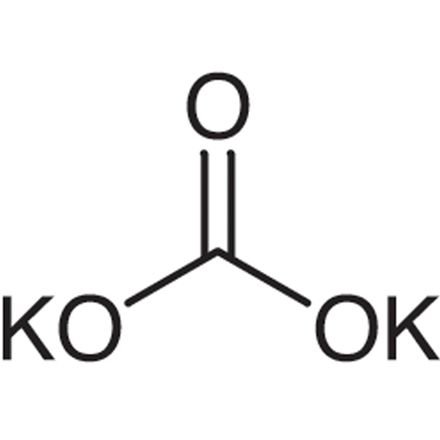
Potassium carbonate is the inorganic compound with the formula K2CO3. It is a white salt, which is soluble in water and forms a strongly alkaline solution. It is deliquescent, often appearing as a damp or wet solid. Potassium carbonate is used in production of dutch process cocoa powder,[3] production of soap and production of glass.[4] Commonly, it can be found as the result of leakage of alkaline batteries.[5] Potassium carbonate is a potassium salt of carbonic acid. This salt consists of potassium cations K+ and carbonate anions CO2−3, and is therefore an alkali metal carbonate.
History
Potassium carbonate is the primary component of potash and the more refined pearl ash or salt of tartar. Historically, pearl ash was created by baking potash in a kiln to remove impurities. The fine, white powder remaining was the pearl ash. The first patent issued by the US Patent Office was awarded to Samuel Hopkins in 1790 for an improved method of making potash and pearl ash.[6]
In late 18th-century North America, before the development of baking powder, pearl ash was used as a leavening agent for quick breads.[7][8]
Production
The modern commercial production of potassium carbonate is by reaction of potassium hydroxide with carbon dioxide:[4]
- 2 KOH + CO2 → K2CO3 + H2O
From the solution crystallizes the sesquihydrate K2CO3·1.5H2O (“potash hydrate”). Heating this solid above 200 °C (392 °F) gives the anhydrous salt. In an alternative method, potassium chloride is treated with carbon dioxide in the presence of an organic amine to give potassium bicarbonate, which is then calcined:
- 2 KHCO3 → K2CO3 + H2O + CO2
Applications
- (historically) for soap, glass, and dishware production;[citation needed]
- as a dietary potassium supplement, containing 56% of elemental potassium,[9] in tablet or powder form to address low blood potassium levels caused by inadequate nourishment, nausea and vomiting, diarrhea, or potassium-depleting medications such as corticosteroids or diuretics;[10][11]
- as a mild drying agent where other drying agents, such as calcium chloride and magnesium sulfate, may be incompatible. It is not suitable for acidic compounds, but can be useful for drying an organic phase if one has a small amount of acidic impurity. It may also be used to dry some ketones; alcohols, and amines prior to distillation.[12]
- in cuisine, where it has many traditional uses. It is used in some types of Chinese noodles and mooncakes, as well as Asian grass jelly and Japanese ramen. German gingerbread recipes often use potassium carbonate as a baking agent.[13]
- in the alkalization of cocoa powder to produce Dutch process chocolate by balancing the pH (i.e., reduce the acidity) of natural cocoa beans; it also enhances aroma—the process of adding potassium carbonate to cocoa powder is usually called “Dutching” (and the products referred to as Dutch-processed cocoa powder), as the process was first developed in 1828 by Dutchman Coenraad Johannes van Houten;[citation needed]
- as a buffering agent in the production of mead or wine;[citation needed]
- in antique documents, it is reported to have been used to soften hard water;[14]
- as a fire suppressant in extinguishing deep-fat fryers and various other oil/fat/grease related fires;[citation needed][citation needed]
- in condensed aerosol fire suppression, although as the byproduct of potassium nitrate;[citation needed]
- as an ingredient in welding fluxes, and in the flux coating on arc-welding rods;[citation needed]
- as an animal feed ingredient to satisfy the potassium requirements of farmed animals such as broiler breeder chickens;[citation needed]
- as an acidity regulator in Swedish snus snuff tobacco.
Potassium Carbonate
| CAS Number | 584-08-7 |
|---|---|
| Molecular Formula | K2CO3 |
| Molecular Weight | 138.204 g/mol |
| Chemical Type | Inorganic salt (mild alkali) |
| Physical State | liquid |
| EC Number | 209-529-3 |
| Synonyms | Potash, pearl ash, carbonate of potash, dipotassium carbonate, salt of tartar |
Potassium carbonate
- CAS No.
- 584-08-7
- Chemical Name:
- Potassium carbonate
- Synonyms
- K2CO3;Anhydrous potassium carbonate;POTASH;potassium carbonate anhydrous;POTASSIUM CARBONATE USP;Kaliumcarbonat;PotassiumCarbonateFcc;PotassiumCarbonateAnhydrousK2CO3;Pearl dust;BUFFERED PEPTONE
- CBNumber:
- CB4853879
- Molecular Formula:
- K2CO3
Crystal structure

- Molecular Weight:
- 138.21
- MDL Number:
- MFCD00011382
- MOL File:
- 584-08-7.mol
- MSDS File:
- SDS
- TDS File:
- TDS
| Product description | Number | Pack Size | Price |
| Potassium carbonate ChemBeads | 938769 | 1 g | $90.6 |
| Potassium carbonate puriss. p.a., ACS reagent, anhydrous, ≥99.0% (T) | 60109 | 250g | $45.9 |
| Potassium carbonate puriss. p.a., ACS reagent, anhydrous, ≥99.0% (T) | 60109 | 500g | $84 |
| Potassium carbonate puriss. p.a., ACS reagent, anhydrous, ≥99.0% (T) | 60109 | 1kg | $157 |
| Potassium carbonate BioUltra, anhydrous, ≥99.0% (T) | 60108 | 1kg | $230 |
| More product size | |||
| Melting point | 891 °C (lit.) |
|---|---|
| Boiling point | decomposes [STR93] |
| Density | 2.43 g/mL at 25 °C |
| bulk density | 750kg/m3 |
| storage temp. | Store at +5°C to +30°C. |
| solubility | H2O: 1 M at 20 °C, clear, colorless |
| pka | 10.33[at 20 ℃] |
| form | powder |
| color | Yellow |
| Specific Gravity | 2.29 |
| PH | 10.52(1 mM solution);11(10 mM solution);11.36(100 mM solution); |
| Odor | at 100.00%. odorless |
| Water Solubility | 1120 g/L (20 ºC) |
| Specific Heat Capacity | Cp(crystal): 0.83 J/(g·K), at 25℃ |
| Sensitive | Hygroscopic |
| λmax | λ: 260 nm Amax: 0.03 λ: 280 nm Amax: 0.02 |
| Merck | 14,7619 |
| BRN | 4267587 |
| Dielectric constant | 5.6(16.0℃) |
| Stability | Stable. Incompatible with moisture, acids, magnesium bromine trifluoride and magnesium bromine trichloride. |
| Cosmetics Ingredients Functions | BUFFERING |
| InChI | 1S/CH2O3.2K/c2-1(3)4;;/h(H2,2,3,4);;/q;2*+1/p-2 |
| InChIKey | BWHMMNNQKKPAPP-UHFFFAOYSA-L |
| SMILES | [K+].[K+].[O-]C([O-])=O |
| SCOGS (Select Committee on GRAS Substances) | Potassium carbonate |
| Substances Added to Food (formerly EAFUS) | POTASSIUM CARBONATE |
| FDA 21 CFR | 173.310; 184.1619; 310.545;582.1619 |
| CAS DataBase Reference | 584-08-7(CAS DataBase Reference) |
| EWG’s Food Scores | 1 |
| FDA UNII | BQN1B9B9HA |
| NIST Chemistry Reference | Dipotassium carbonate(584-08-7) |
| EPA Substance Registry System | Potassium carbonate (584-08-7) |
| UNSPSC Code | 41116107 |
| NACRES | NB.24 |
SAFETY
Risk and Safety Statements
| Symbol(GHS) |  GHS07 |
|||||||||
|---|---|---|---|---|---|---|---|---|---|---|
| Signal word | Warning | |||||||||
| Hazard statements | H315-H319-H335 | |||||||||
| Precautionary statements | P261-P264-P271-P280-P302+P352-P305+P351+P338 | |||||||||
| target organs | Respiratory system | |||||||||
| Hazard Codes | Xn | |||||||||
| Risk Statements | 22-36/37/38-20/21/22 | |||||||||
| Safety Statements | 26-36-37/39 | |||||||||
| RIDADR | 3262 | |||||||||
| WGK Germany | 1 | |||||||||
| RTECS | TS7750000 | |||||||||
| F | 3 | |||||||||
| TSCA | TSCA listed | |||||||||
| HazardClass | 8 | |||||||||
| PackingGroup | III | |||||||||
| HS Code | 28364000 | |||||||||
| Storage Class | 13 – Non Combustible Solids | |||||||||
| Hazard Classifications | Eye Irrit. 2 Skin Irrit. 2 STOT SE 3 |
|||||||||
| Hazardous Substances Data | 584-08-7(Hazardous Substances Data) | |||||||||
| Toxicity | LD50 orally in rats: 1.87 g/kg, H. F. Smyth et al., Am. Ind. Hyg. Assoc. J. 30, 470 (1969) | |||||||||
| REACH Registrations | Active | |||||||||
| Limited Quantities | 1 Kg (2.2 lbs) (solid) | |||||||||
| Excepted Quantities | Max Inner Pack (30g or 30ml) and Max Outer Pack (500g or 500ml) | |||||||||
| NFPA 704 |
|
Potassium carbonate price More Price(226)
| Manufacturer | Product number | Product description | CAS number | Packaging | Price | Updated | Buy |
|---|---|---|---|---|---|---|---|
| Sigma-Aldrich | 938769 | Potassium carbonate ChemBeads | 584-08-7 | 1 g | $90.6 | 2026-04-30 | Buy |
| Sigma-Aldrich | 60109 | Potassium carbonate puriss. p.a., ACS reagent, anhydrous, ≥99.0% (T) | 584-08-7 | 250g | $45.9 | 2026-04-30 | Buy |
| Sigma-Aldrich | 60109 | Potassium carbonate puriss. p.a., ACS reagent, anhydrous, ≥99.0% (T) | 584-08-7 | 500g | $84 | 2026-04-30 | Buy |
| Sigma-Aldrich | 60109 | Potassium carbonate puriss. p.a., ACS reagent, anhydrous, ≥99.0% (T) | 584-08-7 | 1kg | $157 | 2026-04-30 | Buy |
| Sigma-Aldrich | 60108 | Potassium carbonate BioUltra, anhydrous, ≥99.0% (T) | 584-08-7 | 1kg | $230 | 2026-04-30 | Buy |
Potassium carbonate Chemical Properties, Uses, Production
Description
Potassium carbonate (molecular formula: K2CO3), also known as potash or pearl ash, appears as a white powder or as colorless solid crystal with salty taste and deliquescence. It can be dissolved in water to form a strongly alkaline solution. However, it is insoluble in organic solvents such as ethanol. It has wide applications. For example, it can be used as a drying agent, buffering agent and a source of potassium in laboratory. It can also be used for the manufacturing of fire extinguishers, soap, glass, and soften water. In addition, it is also used during the production of cocoa powder to balance pH. Moreover, it can be supplied to effervescent tablets which can conveniently provide potassium when there are low levels of potassium in the blood for patients caused by various kinds of factors. In industry, potassium carbonate is manufactured though first performing electrolysis of potassium chloride to generate potassium hydroxide, followed by reaction with carbon dioxide to derive the product. It is toxic upon eye contact, inhalation and ingestion. For rats, it has an oral LD50 being 1870 mg/kg. It has chronic effects on humans, causing damage to the mucous membranes, skin, and eyes.
Chemical Properties
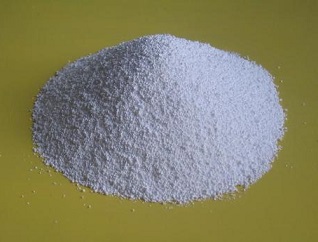
It belongs to monoclinic, and is white powder or granular crystal. It is easily soluble in water but insoluble in alcohol and ether.
Uses
Potassium carbonate can serve as an effective alkaline agent and dough conditioner and is capable of hindering the fermentation process in noodles. It can be applied to pasta food, where its application quantity must be in accordance with production requirements. In addition, potassium carbonate can be used for the production of optical glass, as it enhances the transparency, strength, and refractive coefficient of the material. It is also useful as a welding electrode, preventing arc-breaking during welding. Further applications of potassium carbonate include its utility as a vat dye and as a white discharging agent for ice dyeing. It can be utilized as an absorbent for removing carbon dioxide and hydrogen sulfide, and quantities can be mixed with soda ash to create a dry powder extinguishing agent.
Production method
The ion exchange method: dubbed 250 g/L solution and adding a small amount of potassium carbonate to remove calcium and magnesium ions. Ammonium bicarbonate solution is also prepared at a concentration 200 g/L in water. Pass the potassium chloride solution through a countercurrent into ion exchange column, to make the sodium resin R-Na become potassium type RK, wash off the chlorine ion within the gap of the soft resin; after finishing washing, put through the ammonium bicarbonate solution downstream into the resin exchange column, making the resin become ammonium type R-NH4 and obtain a mixed dilute solution of potassium bicarbonate and ammonium bicarbonate; go through evaporation once to decompose the ammonium bicarbonate; evaporate once again to decompose most of the potassium bicarbonate into potassium carbonate; the precipitated potassium chloride crystal after cooling was filtered and removed; further go through evaporation for three times to 54°C and filter to remove the compound salt of potassium and sodium. The solution was subject to carbonation to convert the potassium carbonate into potassium bicarbonate; further go through crystallization, separation, washing, calcination to obtain the finished product. Its reaction steps are as below:
R-Na + KCl → R-K + NaCl
R-K + NH4HCO3 → R-NH4 + KHCO3
2KHCO3 → K2CO3 + CO2 ↑+ H2O
Leblanc method: Mix the potassium, coal, limestone in a certain ratio, add water and stir, wherein the potassium chloride is maintained at 6% to 8%, the sodium salt is maintained in 8% to 10% and then subject to calcination at 900~1000 ℃ to obtain the black ash. The black ash is pulverized and subject to hot water extraction. The immersion is further subject to evaporation to precipitate some part of unconverted potassium sulfate out; it was further sent to the carbonation tower for pre-carbonation after separation. Add the potassium permanganate into the carbonation solution to remove the impurities precipitate of aluminum, silicon, and iron; the filtrate was evaporated to the precipitation of potassium carbonate, sodium compound salt and impurities; the clarifying solution further undergoes secondary carbonation to obtain the crude potassium carbonate crystals; it further goes through filtering, water washing, and further calcination at 500~600 ℃ to obtain the finished potassium carbonate product. Its reaction processes are:
K2SO4 + 2C + CaCO3 → K2CO3 + CaS + 2CO2 ↑
K2CO3 + CO2 + H2O → 2KHCO3
2KHCO3 → K2CO3 + CO2 ↑+ H2O
Recrystallization method: dissolve the technical grade potassium carbonate in distilled water for solution purification; remove the impurities through filtration; the filtrate is further subject to concentration by evaporation, cooling crystallization, centrifugation, and drying to obtain the finished product of anhydrous potassium carbonate.
Reference quality standards
Item Premium grade First grade Qualified II type
Potassium carbonate (K2CO3) content ≥ 99.0% 98.5% 96.0% 99.0%
Chloride (KCl) content ≤ 0.01% 0.10% 0.20% 0.03%
Sulfur compounds (in K2SO4) content ≤0.01% 0.10% 0.15% 0.04%
Iron (Fe) content of ≤ 0.001% 0.003% 0.010% 0.001%
Water-insoluble content ≤ 0.02% 0.05% 0.10% 0.04%
Burning loss ≤ 0.60% 1.00% 1.00% 0.80%
Content Analysis
To a pre-weighed weighing bottle with a plug, accurately weigh 1 g of dried sample measured according to the “loss on drying” assay and dissolve it in 50ml water. After adding of 2 drops of methyl red test solution (TS-149), stir continuously and titrate with 1mol/L hydrochloric acid titration until the solution turns into light pink. Heating the solution to boiling and further cool it down, continue to titrate to boiling until a pale pink color doesn’t disappears any more. Each Ml of 1mol/L hydrochloric acid is equivalent of 69.1 mg of potassium carbonate (K2CO3)
Toxicity
ADI does not make special provision (FAO/WHO, 2001).
LD50: 18.70mg/kg (rat, oral).
GRAS (FDA, §184.1619, 2000);
Chemical Properties
Potassium carbonate is a white, crystalline, salt that forms basic aqueous solutions used in the production of fertilizer, glass, ceramics, explosives, soaps, chemicals, and wool treatments. It was the main compound once referred to as potash, although the term today is not reserved exclusively for potassium carbonate, but for several potassium salts. In the fertilizer industry, potash refers to potassium oxide, K2O, rather than potassium carbonate. Pearlash is a purer form of potash made by heating potash to remove impurities.
Electrical Conductivity
| Concentration | 0.50% | 1% | 2% | 5% | 10% | 15% | 20% | 25% |
|---|---|---|---|---|---|---|---|---|
| mS/cm | 7 | 13.6 | 25.4 | 58 | 109 | 152 | 188 | 223 |
Uses
Potassium carbonate is used in the chemical industry as a source of inorganic potassium salts (potassium silicates, potassium bicarbonate), which are used in fertilizers, soaps, adhesives, dehydrating agents, dyes, and pharmaceuticals. Potassium carbonate used to make potassium lye produces soft soaps, which are liquids or semisolids rather than solids. Other uses of potassium carbonate includes use as a fire suppressant in extinguishers, as a CO2 absorbent for chemical processes and pollution control, an antioxidant in rubber additives, and in pharmaceutical formulations.
Production Methods
Potassium carbonate can be obtained from ash or by electrolysis of potassium chloride. Another method involves reacting potassium hydroxide with carbon dioxide. The resulting liquid carbonate contains approximately 50% potassium carbonate in water. However, the solid product, which contains over 70% potassium carbonate, is expensive and only suitable for certain types of acidic soil. Additionally, neutralizing caustic potash with carbon dioxide also yields potassium carbonate.
Definition
ChEBI: Potassium carbonate is a potassium salt that is the dipotassium salt of carbonic acid. It has a role as a catalyst, a fertilizer and a flame retardant. It is a carbonate salt and a potassium salt.
General Description
Potassium carbonate (K2CO3) is a white salt, soluble in water (insoluble in ethanol) which forms a strongly alkaline solution. It can be made as the product of potassium hydroxide’s absorbent reaction with carbon dioxide. It presents a large capacity to absorb moisture.Corrosive to metals and tissue. Density 12.8 lb /gal. Used to make soaps, other potassium compounds, in liquid fertilizers.
Air & Water Reactions
Water soluble. Addition of water evolves heat.
Reactivity Profile
Potassium carbonate neutralizes acids exothermically to form salts plus water. Reacts with certain metals (such as aluminum and zinc) to form oxides or hydroxides of the metal and generate gaseous hydrogen. May initiate polymerization reactions in polymerizable organic compounds, especially epoxides. May generate flammable and/or toxic gases with ammonium salts, nitrides, halogenated organics, various metals, peroxides, and hydroperoxides. May serve as a catalyst. Reacts when heated above about 84°C with aqueous solutions of reducing sugars other than sucrose, to evolve toxic levels of carbon monoxide [Bretherick, 5th Ed., 1995].
Hazard
Solutions irritating to tissue.
Health Hazard
TOXIC; inhalation, ingestion or skin contact with material may cause severe injury or death. Contact with molten substance may cause severe burns to skin and eyes. Avoid any skin contact. Effects of contact or inhalation may be delayed. Fire may produce irritating, corrosive and/or toxic gases. Runoff from fire control or dilution water may be corrosive and/or toxic and cause pollution.
Fire Hazard
Non-combustible, substance itself does not burn but may decompose upon heating to produce corrosive and/or toxic fumes. Some are oxidizers and may ignite combustibles (wood, paper, oil, clothing, etc.). Contact with metals may evolve flammable hydrogen gas. Containers may explode when heated.
Agricultural Uses
Potassium carbonate is used in agriculture and food production. Potassium carbonate is used as a spray or drip fertilizer and also as a constituent of compound fertilizers. Its high water solubility and alkaline property make it useful for supplying potassium to acidic soils, especially in vineyards and orchards. Dutch-processed cocoa uses potassium carbonate as an alkalizing agent to neutralize the natural acidity of cocoa. It is used to produce food additives like potassium sorbate and monopotassium phosphate.
Industrial uses
Potassium carbonate is used for numerous applications. Its primary use is in the production of specialty glasses and ceramics. It is used to make optical glass, glass used for video screens in televisions and computers, and laboratory glassware. Its is used in certain glasses rather then cheaper sodium carbonate owing to its better compatibility with lead, barium, and strontium oxides incorporated in these glasses. These oxides lower the melting point of glass and produce a softer glass. Potassium carbonate has a higher refractive index than sodium carbonate producing a more brilliant glass. Potassium carbonate is a common flux combined with titanium dioxide to produce frits used in ceramics. A frit is a calcined mixture of fine silica, a pigment, and a flux that is ground a specific particle size and used to produce glazes, enamels, and additives in glass making.
Biological Activity
Potassium carbonate(K2CO3) is used as a drying agent for ketones, alcohols, amines, and non-acidic compounds before distillation. It serves as a buffering agent and controls pH during wine and mead production. Potassium carbonate is also used in the extraction of artemisinin, a potent antimalarial drug, from Artemisia annua plant extracts.
Mechanism of action
Protectant and eradicant, increases pH on plant surface making it inhospitable for fungal pathogens. High alkalinity also dehydrates fungal spores disrupting cell membranes and preventing germination
Safety Profile
Poison by ingestion. A strong caustic. Incompatible with KCO, chlorine trifluoride, magnesium. Mutation data reported. When heated to decomposition it emits toxic fumes of K2O.
Purification Methods
It crystallises from water between 100o and 0o. The solubility in H2O is 105% at 0o, 127% at 60o and 205% at 135o (b of saturated solution). After two recrystallisations of technical grade material, it had B, Li and Fe at 1.0, 0.04 and 0.01 ppm, respectvely. [D.nges in Handbook of Preparative Inorganic Chemistry (Ed. Brauer) Academic Press Vol I p 987 1963.]
References
https://en.wikipedia.org/wiki/Potassium_carbonate
https://www.drugs.com/inactive/potassium-carbonate-106.html
http://www.sciencelab.com/msds.phpmsdsId=9926681
https://pubchem.ncbi.nlm.nih.gov/compound/Potassium-Carbonate
Solubility of Potassium Carbonate and Potassium Hydrocarbonate in Methanol DOI:10.1021/JE020012V
Pesticide Type
Fungicide

Potassium carbonate Preparation Products And Raw materials
Potassium carbonate, also known as potash or pearl ash, is one of those chemicals that shows up in a surprising number of industries. Glass, soap, fertilizers, food, pharma, ceramics, and the list keeps going. If you’re looking for a potassium carbonate supplier in India who keeps quality steady and picks up the phone, Chemxcellence is here for that.
We supply potassium carbonate to manufacturers and traders across the country. One-time bulk order or a monthly requirement, both are fine with us.
Why buyers choose Chemxcellence
- Consistent quality: every lot is tested before dispatch, so the purity on the spec sheet is what reaches your plant.
- Bulk and regular supply: one-off orders, monthly needs or long-term contracts.
- Pan-India delivery: we ship to industrial areas and ports across India with GST invoice and transport documents.
- Grades to match your use: industrial and food grade, depending on your requirement.
- Straight communication: quick replies, honest lead times, clear rates.
What we supply
- Potassium Carbonate (Anhydrous): white, free-flowing granular powder that dissolves easily in water. Widely used across industries.
- Potassium Carbonate Solution: ready-to-use liquid form for processing and manufacturing.
Where potassium carbonate is used
- Glass and optical glass manufacturing
- Soap and liquid soap making
- Fertilizers
- Food processing (acidity regulator, E501)
- Pharma and chemical intermediates
- Ceramics and pigments
- Dyes and textile processing
- Welding electrodes
- Gas scrubbing and CO2 absorption
- Detergents and cleaning products
Additional information
| CAS# | 584-08-7 |
|---|---|
| Formula | K2CO3 |
-
Potassium Carbonate | High Purity 99%–99.9999% | CAS 584-08-7 …
Potassium Carbonate qualified commercial & research quantity preferred supplier. Buy at competitive price & lead time. In-stock for …
-
Potassium carbonate, 584-08-7, P1472, Sigma-Aldrich
Potassium carbonate (K2CO3), also known as potash or pearl ash, is a white potassium salt. It is soluble in water to form a strong …
-
Potassium carbonate, anhydrous, granular (CAS 584-08-7) – Glentham
6 days ago · Buy GK0300 – Potassium carbonate, anhydrous, granular (584-08-7) online from Glentham Life Sciences, a …
-
Potassium carbonate, anhydrous, 99% 500 g | Buy Online | Thermo …
CAS: 584-08-7 | CK2O3 | 138.21 g/mol. Potassium carbonate has a wide range of industrial and research applications. The major …
-
Potassium Carbonate – Chemistry Store
Potassium Carbonate (also called Salt of Tartar or Pearl Ash) is an inorganic salt that appears as a white, odorless powder. It is used …
-
Potassium Carbonate Powder (K₂CO₃) Bulk Supply | Kraft Chemical
Buy FDA-approved potassium carbonate in bulk from Kraft Chemical. High-purity K₂CO₃ for food, pharmaceutical, detergent, and …
Potassium Carbonate Anhydrous (Granular Powder/Certified ACS), …
Shop Potassium Carbonate Anhydrous (Granular Powder/Certified ACS), Fisher Chemical™ at Fishersci.com. Available in 500 g.
-
Amazon.com: Potassium Carbonate
Discover high-purity, food-grade potassium carbonate powder. Ideal for a variety of applications, from ramen noodles to soap making …
-
Potassium Carbonate, anhydrous , ACS Grade | CAS 584-08-7
Shop ProChem’s Potassium Carbonate, ACS Grade (CAS 584-08-7) – anhydrous granular form with high purity for buffering, pH …
Reviews
There are no reviews yet.