Buy Desmethylcitalopram Cas 62498-67-3

+ Free Shipping
Guaranteed Safe Checkout

Buy Desmethylcitalopram Cas 62498-67-3

Buy Desmethylcitalopram Cas 62498-67-3

Buy Desmethylcitalopram Cas 62498-67-3

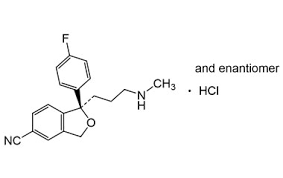
Desmethylcitalopram is an active metabolite of the antidepressant drugs citalopram (racemic) and escitalopram (the S–enantiomer, which would be called desmethylescitalopram).[1][2] Like citalopram and escitalopram, desmethylcitalopram functions as a selective serotonin reuptake inhibitor (SSRI), and is responsible for some of its parent’s therapeutic benefits.

See also

Desmethylcitalopram

PharmacokineticsMetabolite ProfilingTherapeutic Drug Monitoring
⚠ Attention: For research use only. Not for human or veterinary use.
Molecular FormulaC19H19FN2O
Molecular Weight310.4 g/mol
CAS No.62498-67-3
Cat. No.B1219260
Quoting multiple products?Save this product to your quote list and continue browsing.

Technical Parameters


Basic Identity
Product Name Desmethylcitalopram
CAS 62498-67-3
Synonyms
monodesmethylcitalopram, monodesmethylcitalopram monohydrochloride, monodesmethylcitalopram oxalate
Molecular Formula C19H19FN2O
Molecular Weight 310.4 g/mol
Structural Identifiers
SMILES CNCCCC1(C2=C(CO1)C=C(C=C2)C#N)C3=CC=C(C=C3)F
InChI InChI=1S/C19H19FN2O/c1-22-10-2-9-19(16-4-6-17(20)7-5-16)18-8-3-14(12-21)11-15(18)13-23-19/h3-8,11,22H,2,9-10,13H2,1H3
InChIKey PTJADDMMFYXMMG-UHFFFAOYSA-N
Commercial & Availability
Standard Pack Sizes 10 mg / 25 mg / 50 mg / 100 mg / Bulk Custom
Availability In Stock
Custom Synthesis Available on request

Structure & Identifiers


Interactive Chemical Structure Model


Desmethylcitalopram Reference Standard Profile


Desmethylcitalopram, also referred to as N-desmethylcitalopram or norcitalopram, is the primary active N-demethylated metabolite of the widely prescribed selective serotonin reuptake inhibitor (SSRI) citalopram [1]. It is a racemic compound that retains significant affinity for the human serotonin transporter (SERT) and is consequently a critical analyte in pharmacokinetic studies, therapeutic drug monitoring, and forensic toxicology [2]. As an essential reference standard, it is utilized for the identification and quantification of citalopram metabolite profiles in biological matrices, and it is also a specified impurity in citalopram drug substance and finished product analyses .

Metabolite StandardCertified reference standard for citalopram metabolite analysis in biological matrices
PK / TDM ResearchCritical analyte for pharmacokinetic studies and bioanalytical method validation
Specified ImpurityRequired for citalopram impurity profiling per USP and Ph. Eur. monographs

Desmethylcitalopram: Dedicated Standard Requirement


Generic substitution between citalopram, its enantiomerically pure S-enantiomer (escitalopram), and their common metabolites is analytically and pharmacologically invalid. Desmethylcitalopram exhibits distinct pharmacokinetic properties, including a significantly longer elimination half-life and different clearance rates compared to its parent compound, citalopram [1]. Furthermore, its affinity for the serotonin transporter, while similar to citalopram, is not identical and its profile against off-targets like the norepinephrine transporter is not fully characterized, making it impossible to use citalopram data as a direct surrogate [2]. For analytical purposes, using a citalopram reference standard cannot substitute for the required metabolite standard; such substitution fails to meet regulatory guidelines for method validation, system suitability testing, or impurity profiling, where a certified desmethylcitalopram material is mandatory for accurate quantification [3].

Distinct elimination half-life and clearance kinetics from parent citalopram prevent direct quantification using parent calibrators.
Different SERT affinity and off-target profile limit assay cross-utility; desmethylcitalopram data cannot be inferred from citalopram standards.
Regulatory mandate: a certified desmethylcitalopram standard is required for impurity testing per ICH and compendial guidelines; citalopram standard is not a substitute.

Desmethylcitalopram: Key Differentiating Evidence


Pharmacokinetic Differentiation: Half-Life and Clearance

In healthy human subjects, the elimination half-life of the R-enantiomer of desmethylcitalopram is substantially longer than that of the parent drug. Specifically, at steady-state following multiple doses of racemic citalopram, the terminal half-life for R-desmethylcitalopram was reported to be approximately 47 ± 11 hours, compared to 35 ± 4 hours for S-citalopram and an estimated 30-35 hours for the parent racemic mixture [1]. This extended residence time directly impacts steady-state plasma concentration ratios and

Desmethylcitalopram

Catalog No.: B10723
Drug Impurity
Desmethylcitalopram is a known drug impurity associated with the antidepressant citalopram, primarily functioning as a selective serotonin reuptake inhibitor (SSRI). It is relevant in pharmacokinetic studies and quality control processes in pharmaceutical research. Additionally, its characterization can assist in understanding the metabolism and safety profile of citalopram and related compounds.

Desmethylcitalopram is a major metabolite of the selective serotonin reuptake inhibitor (SSRI) citalopram, widely used in antidepressant therapy [, ]. Chemically, it is the N-desmethylated form of citalopram, formed by removing a methyl group from the nitrogen atom in citalopram []. Desmethylcitalopram plays a significant role in scientific research, particularly in understanding the metabolism and pharmacodynamics of citalopram, and exploring its potential impact on biological systems [].

Citalopram

Compound Description: Citalopram is a selective serotonin reuptake inhibitor (SSRI) widely prescribed for treating depression and anxiety disorders. It is a racemic mixture of (R)- and (S)-enantiomers, with the (S)-enantiomer (escitalopram) being the more pharmacologically active form. []

Relevance: Citalopram is the parent compound of desmethylcitalopram. Desmethylcitalopram is the major metabolite of citalopram, formed through N-demethylation primarily by CYP2C19 and to a lesser extent by CYP3A4 and CYP2D6. [, , , , ] Both citalopram and desmethylcitalopram contribute to the therapeutic effects of citalopram, although desmethylcitalopram is less potent. [, , ]

Didesmethylcitalopram

Compound Description: Didesmethylcitalopram is a secondary metabolite of citalopram, formed through further N-demethylation of desmethylcitalopram. [, , ] While it possesses some affinity for the serotonin transporter, its pharmacological activity is significantly lower than citalopram and desmethylcitalopram. []

Relevance: Didesmethylcitalopram is a downstream metabolite of desmethylcitalopram in the citalopram metabolic pathway. [, , , ] The formation of didesmethylcitalopram from desmethylcitalopram is primarily mediated by CYP2D6. [, ]

Escitalopram

Compound Description: Escitalopram is the (S)-enantiomer of citalopram and is marketed as a separate antidepressant medication. It is a more potent and selective SSRI compared to the racemic citalopram. [, , ]

Relevance: Escitalopram shares a close structural relationship with desmethylcitalopram as it is the active enantiomer of citalopram, from which desmethylcitalopram is metabolized. Studies have investigated the pharmacokinetics of escitalopram and its metabolites, S-desmethylcitalopram and S-didesmethylcitalopram, in relation to genetic polymorphisms. [, , ]

Nortriptyline

Compound Description: Nortriptyline is a tricyclic antidepressant that acts as a serotonin-norepinephrine reuptake inhibitor. []

Relevance: Nortriptyline was investigated in a study alongside citalopram and their respective metabolites (nortriptyline, desmethylcitalopram, and didesmethylcitalopram) to assess drug distribution patterns in decomposed skeletal tissues. [] The study aimed to discriminate between different drug exposure patterns using bone samples.

Fluoxetine

Compound Description: Fluoxetine is a selective serotonin reuptake inhibitor (SSRI) commonly used to treat depression. [, , ]

Relevance: Fluoxetine, along with citalopram, is a commonly prescribed antidepressant. Both drugs and their active metabolites, including desmethylcitalopram, have been included in various analytical methods for quantification in biological samples. [, , ] These methods aim to assess drug concentrations in cases of overdose, therapeutic drug monitoring, or forensic investigations.

Norfluoxetine

Compound Description: Norfluoxetine is the major active metabolite of fluoxetine, also exhibiting serotonin reuptake inhibition. [, ]

Relevance: Norfluoxetine, similar to desmethylcitalopram, is an active metabolite of an SSRI. Both metabolites, alongside desmethylcitalopram and desvenlafaxine, were studied for their ability to inhibit the serotonin transporter, demonstrating their contribution to the pharmacological effects of their parent compounds. [] Furthermore, norfluoxetine, like desmethylcitalopram, has been included in studies assessing P-glycoprotein inhibition by antidepressants, highlighting a potential area of drug interaction. []

Sertraline

Compound Description: Sertraline is a selective serotonin reuptake inhibitor (SSRI) used in treating depression and anxiety disorders. [, , ]

Relevance: Sertraline, alongside citalopram, represents a commonly prescribed SSRI. Studies have developed and validated analytical methods for the simultaneous quantification of various antidepressants, including citalopram, desmethylcitalopram, and sertraline, in biological samples. [, ] These methods facilitate the monitoring of therapeutic drug levels and aid in forensic investigations.

Desmethylsertraline

Compound Description: Desmethylsertraline is the major active metabolite of sertraline, also displaying serotonin reuptake inhibitory properties. [, , ]

Relevance: Desmethylsertraline is the primary metabolite of sertraline, similar to the relationship between citalopram and desmethylcitalopram. [] Research indicates that desmethylsertraline, like desmethylcitalopram, can inhibit the serotonin transporter, highlighting its contribution to the overall pharmacological effects observed with sertraline treatment. [] Furthermore, both desmethylsertraline and desmethylcitalopram are included in studies investigating the inhibitory effects of antidepressants on P-glycoprotein, indicating a potential for drug interactions. []

Venlafaxine

Compound Description: Venlafaxine is a serotonin-norepinephrine reuptake inhibitor (SNRI) commonly prescribed for depression and anxiety disorders. [, , , , ]

Relevance: Venlafaxine, like citalopram, is frequently prescribed for treating depression. Various studies have developed and validated analytical methods for the simultaneous quantification of multiple antidepressants, including citalopram, desmethylcitalopram, and venlafaxine, in biological matrices such as plasma. [, , ] These methods are crucial for therapeutic drug monitoring and forensic toxicology investigations.

Desmethylvenlafaxine

Compound Description: Desmethylvenlafaxine is the major active metabolite of venlafaxine, demonstrating comparable potency as a serotonin-norepinephrine reuptake inhibitor. [, , , , ]

Relevance: Desmethylvenlafaxine is the primary active metabolite of venlafaxine, much like the relationship between citalopram and desmethylcitalopram. Both metabolites, desmethylvenlafaxine and desmethylcitalopram, have been investigated for their inhibitory effects on the serotonin transporter, demonstrating their contribution to the pharmacological action of their respective parent drugs. [] Additionally, both metabolites are included in analytical methods developed for the simultaneous quantification of various antidepressants and their metabolites, highlighting their importance in therapeutic drug monitoring and forensic toxicology. [, , , ]

Paroxetine

Compound Description: Paroxetine is a selective serotonin reuptake inhibitor (SSRI) commonly prescribed for treating depression, anxiety disorders, and obsessive-compulsive disorder. [, , , , ]

Relevance: Paroxetine, similar to citalopram, is a widely used SSRI. Analytical methods capable of quantifying citalopram, desmethylcitalopram, and paroxetine simultaneously in biological samples have been developed and validated. [, , , ] These methods aid in the monitoring of therapeutic drug levels, management of overdoses, and forensic investigations.

Fluvoxamine

Compound Description: Fluvoxamine is a selective serotonin reuptake inhibitor (SSRI) primarily used for treating obsessive-compulsive disorder and sometimes for depression and anxiety disorders. [, , ]

Relevance: Fluvoxamine, like citalopram, is a commonly prescribed SSRI. Studies have developed analytical methods capable of quantifying citalopram, desmethylcitalopram, and fluvoxamine simultaneously in biological samples. [, , ] These methods enable the monitoring of therapeutic drug levels, management of overdoses, and aid in forensic investigations.

Mirtazapine

Compound Description: Mirtazapine is a tetracyclic antidepressant that acts as a noradrenergic and specific serotonergic antidepressant (NaSSA), enhancing noradrenergic and serotonergic neurotransmission. [, , ]

Relevance: Mirtazapine, alongside citalopram, is a commonly prescribed antidepressant. Researchers have developed analytical methods capable of quantifying citalopram, desmethylcitalopram, and mirtazapine concurrently in biological samples. [, , ] These methods facilitate therapeutic drug monitoring, overdose management, and forensic toxicological analyses.

Milnacipram

Compound Description: Milnacipran is a serotonin-norepinephrine reuptake inhibitor (SNRI) primarily used to treat fibromyalgia and major depressive disorder. [, , ]

Relevance: Milnacipran, similar to citalopram, is an antidepressant drug. Studies have developed and validated analytical methods for the simultaneous quantification of various antidepressants, including citalopram, desmethylcitalopram, and milnacipran, in biological samples. [, , ] These methods are crucial for therapeutic drug monitoring and forensic toxicological analyses.

Duloxetine

Compound Description: Duloxetine is a serotonin-norepinephrine reuptake inhibitor (SNRI) commonly prescribed for treating major depressive disorder, generalized anxiety disorder, and certain pain conditions. []

Relevance: Duloxetine, similar to citalopram, is a commonly prescribed antidepressant. Researchers have developed analytical methods for quantifying duloxetine along with other antidepressants, including citalopram and desmethylcitalopram, in biological samples. [] These methods are essential for therapeutic drug monitoring and forensic toxicology.

Amitriptyline

Compound Description: Amitriptyline is a tricyclic antidepressant (TCA) that acts as a serotonin-norepinephrine reuptake inhibitor. It is frequently used for managing major depressive disorder, neuropathic pain, and migraine prophylaxis. []

Relevance: Amitriptyline was studied alongside citalopram and their respective metabolites (nortriptyline, desmethylcitalopram, and didesmethylcitalopram) to evaluate their distribution patterns in decomposed skeletal tissues. [] The study aimed to discriminate between different drug exposure patterns by analyzing drug concentrations in bone samples.

Clomipramine

Compound Description: Clomipramine is a tricyclic antidepressant (TCA) classified as a serotonin-norepinephrine reuptake inhibitor. It is primarily prescribed for obsessive-compulsive disorder and occasionally for depression, panic disorder, and other conditions. [, , ]

Relevance: Clomipramine, like citalopram, is an antidepressant medication. Research has demonstrated that concomitant treatment with clomipramine can significantly increase serum concentrations of both citalopram and desmethylcitalopram, suggesting a potential drug interaction. [] This interaction highlights the importance of considering co-administered medications when prescribing and monitoring citalopram therapy.

Desipramine

Compound Description: Desipramine is a tricyclic antidepressant (TCA) primarily acting as a norepinephrine reuptake inhibitor, with weaker effects on serotonin reuptake. It is often prescribed for treating depression and, less commonly, for nerve pain and bedwetting. []

Relevance: Desipramine is a tricyclic antidepressant that shares metabolic pathways with citalopram. Citalopram’s primary metabolite, desmethylcitalopram, can inhibit the CYP2D6 enzyme, which is also responsible for metabolizing desipramine to its active metabolite, 2-hydroxydesipramine. [] This interaction can lead to increased levels of desipramine and potentially enhance its effects or side effects.

Imipramine

Compound Description: Imipramine is a tricyclic antidepressant (TCA) classified as a serotonin-norepinephrine reuptake inhibitor. It is widely used to manage depression, anxiety disorders, and bedwetting in children. [, , ]

Relevance: Imipramine, similar to citalopram, is a commonly used antidepressant. Studies have examined potential drug interactions between citalopram and imipramine, focusing on their effects on shared metabolic pathways. Citalopram, specifically its metabolite desmethylcitalopram, can inhibit the metabolism of imipramine, potentially leading to altered drug levels and clinical effects. []

Levomepromazine

Compound Description: Levomepromazine, also known as methotrimeprazine, is a phenothiazine antipsychotic primarily used for treating schizophrenia, agitation, and insomnia. It exhibits strong antidopaminergic and antihistaminergic properties. [, ]

Relevance: Levomepromazine, being a potent inhibitor of the CYP2D6 enzyme, was studied for its potential interaction with citalopram. Research suggests that levomepromazine can increase the steady-state levels of desmethylcitalopram, likely due to the inhibition of CYP2D6-mediated metabolism. [] This interaction highlights the importance of considering CYP2D6-mediated metabolism when co-administering these drugs.

Source and Classification

Desmethylcitalopram is derived from the metabolic process of citalopram. It belongs to the class of compounds known as SSRIs, which are characterized by their ability to selectively inhibit the reuptake of serotonin in the synaptic cleft, enhancing serotonergic neurotransmission. Its chemical structure allows it to interact with serotonin transporters and various neurotransmitter receptors, contributing to its antidepressant effects.

  1. Desmethylcitalopram (CAS 62498-67-3) | Pharma Impurity Standard

    Buy Desmethylcitalopram (CAS 62498-67-3) from BenchChem. High-purity certified reference standard for citalopram impurity …

  2. Desmethylcitalopram | Drug Impurity | 62498-67-3 | AdooQ®

    Desmethylcitalopram is a known drug impurity associated with the antidepressant citalopram, primarily functioning as a selective …

    Buy Desmethylcitalopram (EVT-318261) | 62498-67-3

    EvitaChem offers qualified products for Desmethylcitalopram (evt-318261), please inquire us for more detail.

  3. CAS No : 62498-67-3| Product Name – Pharmaffiliates

    Buy highly pure Citalopram Hydrobromide – Impurity D (Freebase), CAS No : 62498-67-3, Mol.Formula : C19H19FN2O, Mol.Weight : …

    N-Desmethylcitalopram Maleate | CAS No. 62498-67-3 (freebase)

    Buy N-Desmethylcitalopram Maleate CAS No- 62498-67-3 (freebase), a high quality product from Clearsynth, a Leading …

  4. 144025-14-9; 62498-67-3 (Free base) Citalopram EP Impurity D

    Citalopram EP Impurity D product with CAS: 144025-14-9; 62498-67-3 (Free base) is also known as Citalopram USP Related …

  5. Monodesmethylcitalopram | CAS#62498-67-3 | active metabolite of …

    Desmethylcitalopram is a certified reference material categorized as an antidepressant. Desmethylcitalopram is an active metabolite …

  6. Citalopram EP Impurity D – GLP Pharma Standards

    Get high quality Pharmaceutical Impurities from GLP Pharma Standards. Every compound supplied by GLP Pharma Standards is …

    Desmethylcitalopram maleate | Certified Solutions Standards

    **All prices shown are for sales within US and Canada.**

  7. 62498-67-3 – Sale from Quality Suppliers – Guidechem

     finding 1- (4-fluorophenyl)-1,3-dihydro-1- [3- …
Reviews

There are no reviews yet.

Be the first to review “Buy Desmethylcitalopram Cas 62498-67-3”

Your email address will not be published. Required fields are marked *

Shopping Cart